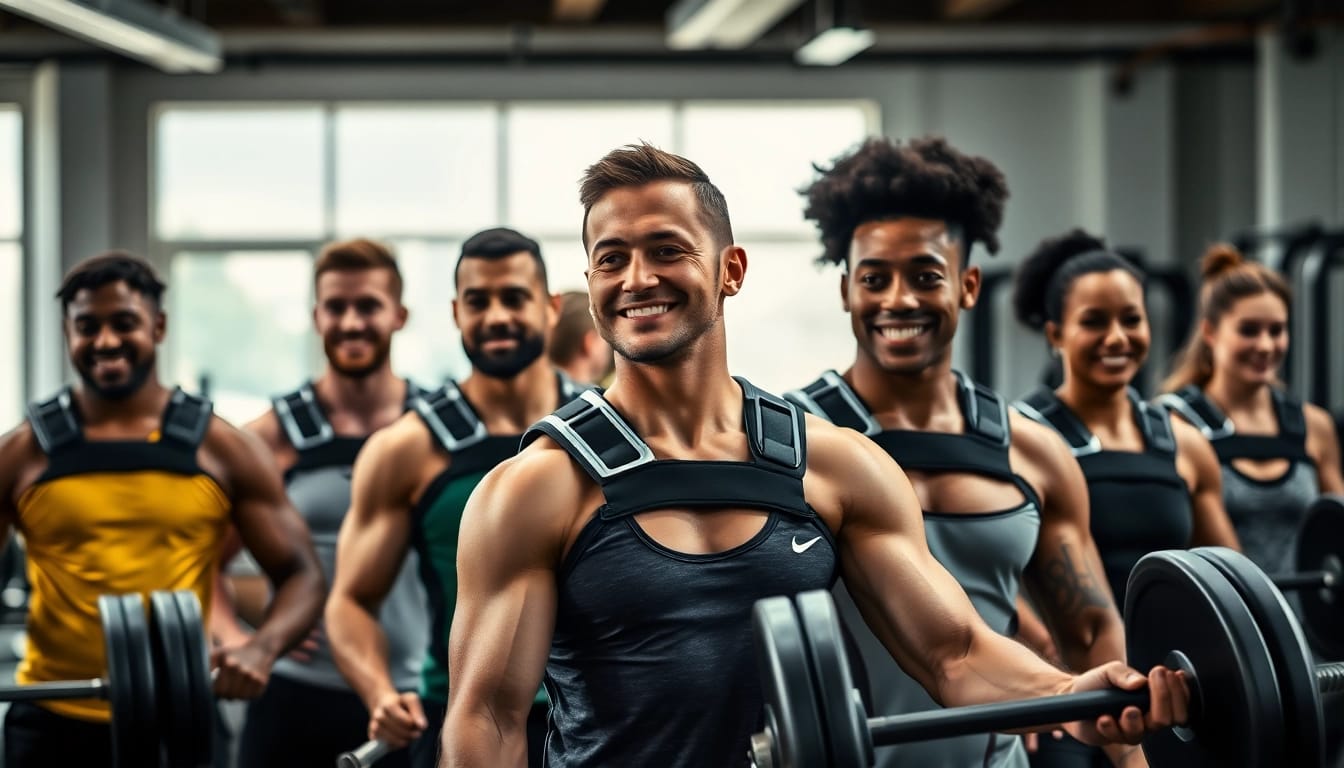
Understanding the Importance of a Shoulder Brace for Weightlifting
In the world of weightlifting, shoulder injuries can be a common setback for many athletes. These injuries can not only derail training but also affect overall performance. By incorporating a shoulder brace for weightlifting, athletes can provide their shoulders with the support they need during rigorous workouts. This article delves deep into why shoulder braces are essential tools for weightlifters, examining their role in functionality, injury prevention, and personal experiences from users.
The Functionality of Shoulder Braces in Lifting
Shoulder braces are designed to stabilize and support the shoulder joint, especially during heavy lifting movements. They work by providing compression and aligning the shoulder in a way that reduces stress on the surrounding musculature. This additional support can prevent the shoulder from moving into positions that could lead to injury, making braces an integral addition for anyone engaged in weightlifting.
Common Shoulder Injuries in Weightlifting
Weightlifting can put considerable strain on the shoulder joints. Common injuries that athletes may encounter include:
- Rotator Cuff Tears: Often resulting from repetitive overhead motions, these tears can be debilitating.
- Shoulder Impingement: This occurs when shoulder tendons become irritated and inflamed from repetitive activity.
- AC Joint Sprains: Typically caused by falls or direct blows, these injuries can severely limit mobility.
- Bursitis: Inflammation of the bursa sac in the shoulder can lead to considerable pain and restrict movement.
Misconceptions about Shoulder Braces
While shoulder braces provide significant benefits, misconceptions often cloud their usage. Some athletes believe that relying on a brace may weaken the shoulder over time. However, when used correctly, braces can actually aid in recovery and enhance muscular support, allowing for progressive strength gains without compromising joint integrity.
Types of Shoulder Braces Suitable for Weightlifting
Choosing the right shoulder brace for weightlifting is crucial for optimal support and performance. There are two main types of shoulder braces to consider:
Compression vs. Supportive Braces
Compression braces focus on providing a snug fit that enhances blood circulation and reduces swelling. They are particularly useful during workouts as they keep the shoulder muscles warm and limber. Supportive braces, on the other hand, offer rigidity and stability, making them suitable for post-injury recovery or during heavy lifting sessions.
Features to Look for in a Weightlifting Brace
When selecting a shoulder brace, consider the following features:
- Adjustable Straps: Ensures a custom fit for different body types.
- Breathable Materials: Allows for moisture management, keeping the skin dry during intense workouts.
- Lightweight Design: Prevents additional burdens during lifting.
- Range of Motion: Look for braces that allow adequate mobility while still providing support.
How to Choose the Right Size and Fit
Finding the correct size is essential for the effectiveness of a shoulder brace. Measure your shoulder circumference and consult the manufacturer's size guide. A good fit should feel snug but not restrict blood flow or cause discomfort.
Benefits of Using a Shoulder Brace During Weightlifting
The advantages of using a shoulder brace extend far beyond immediate support. Here are some key benefits:
Pain Reduction and Injury Prevention
Shoulder braces can significantly reduce pain associated with lifting by stabilizing the joint and alleviating pressure on injured areas. This is especially critical for athletes recovering from shoulder injuries, as it enables them to continue training while healing.
Enhanced Performance and Stability
With a properly fitted brace, athletes often report improved confidence and stability when lifting heavier weights. This enhancement can lead to greater performance outcomes, as the fear of re-injury is diminished.
Real User Experiences and Testimonials
Users of shoulder braces frequently share positive testimonials highlighting their transformative impacts. For instance, an athlete recovering from a rotator cuff injury remarked how their double shoulder compression sleeve allowed them to return to lifting with greater assurance and less pain. Another user mentioned realizing improved range of motion during their workouts, thanks to the support provided by their brace.
Best Practices for Using Shoulder Braces in Your Workout Routine
Maximizing the benefits of a shoulder brace requires adherence to certain best practices:
Proper Techniques for Weightlifting with a Brace
When lifting with a shoulder brace, it's vital to ensure that your form is correct. Focus on maintaining proper posture and utilizing the appropriate lifting techniques to avoid further strain. It can be helpful to start with lighter weights to gauge how the brace influences your performance.
Integrating Recovery with Shoulder Braces
Using a shoulder brace should not replace rehabilitation exercises. Instead, consider it as part of a comprehensive recovery strategy that includes physical therapy exercises aimed at improving shoulder strength and flexibility.
Expert Recommendations for Athletes
Experts recommend that athletes wearing shoulder braces regularly assess their effectiveness and consult with a coach or physiotherapist to fine-tune their use. Additionally, athletes are encouraged to gradually increase their lifting loads while relying on their braces for support.
Future Trends in Shoulder Braces for Weightlifting in 2025
As the fitness industry evolves, so do the technologies and designs behind shoulder braces. By 2025, several trends are expected to enhance the functionality of these pivotal tools.
Innovations in Material and Design
Future shoulder braces may incorporate advanced materials that provide enhanced support while reducing weight. Innovations such as moisture-wicking fabrics and antimicrobial properties will improve comfort and hygiene.
Predicted Changes in Market Demand and Trends
The demand for shoulder braces, particularly among serious athletes, is expected to rise as awareness around injury prevention grows. Companies may focus on creating more personalized options to cater to specific athletic needs and preferences.
The Role of Technology in Athletic Performance Support
Technology will likely play a vital role in the development of smart shoulder braces equipped with sensors to monitor joint movements and provide feedback. This could offer athletes real-time data to optimize their workout techniques and prevent injuries.