

Understanding Concrete Cleaning: Importance and Techniques
Concrete is a durable, versatile material that forms the foundation of countless structures, driveways, and patios. Over time, however, it can accumulate dirt, grime, oil stains, algae, and mold, making it essential for homeowners and property managers to consider concrete cleaning as a vital part of property maintenance. Proper cleaning not only enhances the appearance of concrete surfaces but also extends their lifespan, preventing costly repairs or replacements. In this article, we will delve into the importance of concrete cleaning, explore various techniques, and highlight best practices for effective results.
Why Concrete Cleaning is Essential for Homeowners
Regular cleaning of concrete surfaces is crucial for several reasons:
- Aesthetic Appeal: Clean concrete improves the overall look of a property, enhancing curb appeal and potentially increasing property value.
- Health and Safety: Mold, mildew, and algae can create slippery surfaces that pose safety risks. Keeping concrete clean helps prevent accidents.
- Longevity: Regular maintenance, including cleaning, can extend the life of concrete surfaces by preventing deterioration caused by contaminants.
- Environmental Impact: Maintaining clean surfaces prevents pollutants from entering the water supply, promoting a healthier environment.
Types of Concrete Cleaning Methods Explained
Several methods are available for cleaning concrete, including:
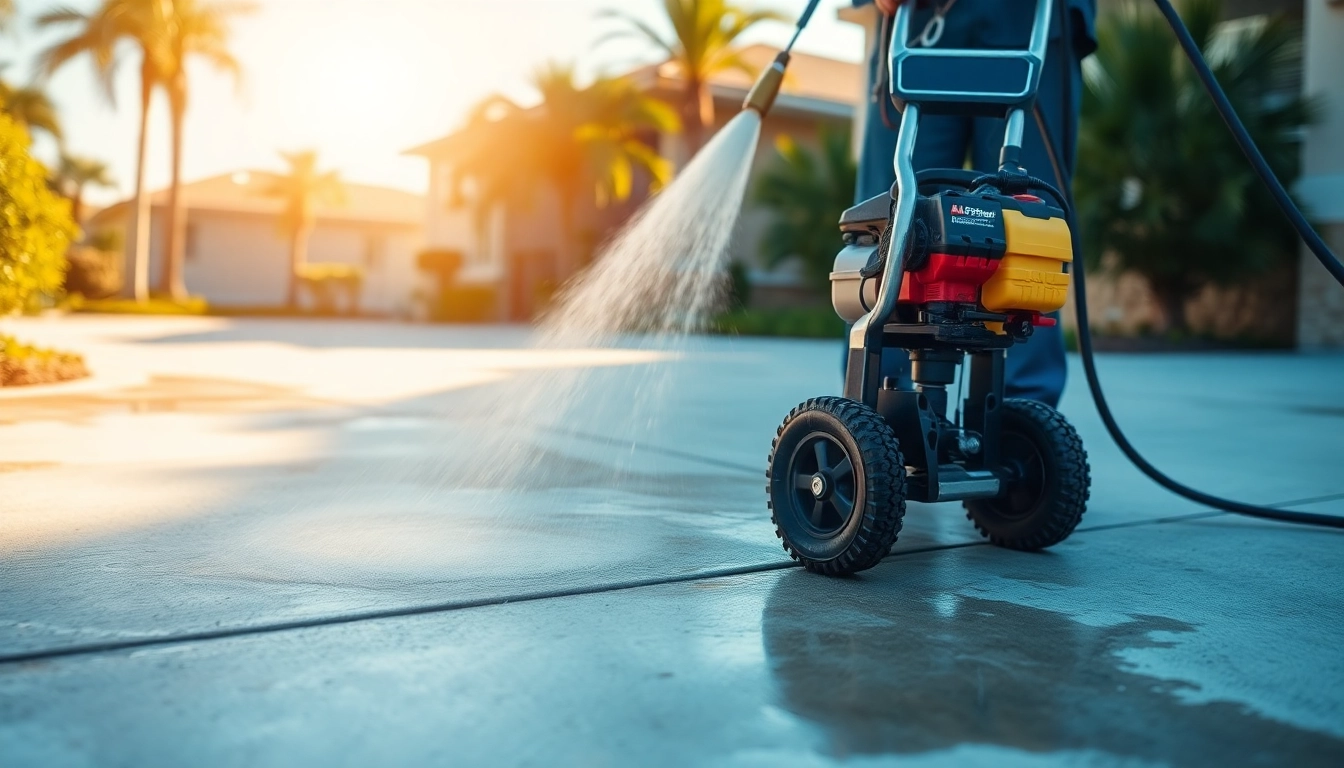
- Pressure Washing: This popular method utilizes high-pressure water to remove dirt, stains, and contaminants from concrete surfaces. It is particularly effective for large areas and heavy staining.
- Chemical Cleaning: Using specialized chemical cleaners can help break down tough stains like oil and mildew. It’s essential to choose eco-friendly chemicals whenever possible.
- Scrubbing: For smaller areas or delicate surfaces, manual scrubbing with brushes or pads can provide effective cleaning without the risk of damage from high pressure.
- Steam Cleaning: This method combines heat and moisture to lift dirt and grime. It is particularly beneficial for softer stains and can sanitize surfaces.
Assessing Damage: When to Clean Concrete
Knowing when to clean concrete is crucial for maintaining its integrity. Homeowners should consider cleaning when they notice:
- Visible stains or discoloration
- Accumulation of mold or mildew
- Slippery surfaces after rainfall
- Faded colors or loss of shine
Tools and Equipment for Professional Concrete Cleaning
Essential Gear for Effective Concrete Cleaning
To achieve the best results in concrete cleaning, having the right tools is essential. Some must-have equipment includes:
- Pressure Washer: A powerful pressure washer with adjustable settings is critical for effective dirt and stain removal.
- Cleaning Brushes: Different brushes for scrubbing can be effective for removing stubborn stains.
- Protective Gear: Rubber gloves, masks, and goggles are important for safety when using chemicals.
- Water Reclamation Systems: These systems help to minimize water waste and comply with local regulations.
Choosing the Right Pressure Washer for Your Needs
Selecting the appropriate pressure washer depends on the cleaning tasks at hand. Factors to consider include:
- PSI (Pounds per Square Inch): Higher PSI ratings are suitable for tough stains and commercial applications.
- GPM (Gallons per Minute): A higher GPM rate indicates faster cleaning. A balance between PSI and GPM is ideal for effective concrete cleaning.
- Electric vs. Gas-powered: Electric pressure washers are quieter and suitable for residential tasks, while gas-powered units provide more power for larger jobs.
Eco-Friendly Cleaning Solutions and Their Benefits
Using eco-friendly cleaning solutions can minimize environmental impact while still offering effective results. Benefits include:
- Non-Toxic Ingredients: These solutions are safer for use around pets and plants.
- Biodegradable: Environmentally friendly cleaners break down more easily in the environment.
- Odor-Free: Many eco-friendly options avoid harsh chemical odors, making the cleaning process more pleasant.
Step-by-Step Guide to Concrete Cleaning
Preparing Your Concrete Surface for Cleaning
Proper preparation sets the stage for effective concrete cleaning. Follow these steps:
- Clear the Area: Remove any furniture, debris, or obstruction from the concrete surface to ensure a thorough clean.
- Pre-Treat Stains: Apply a pre-treatment solution to particularly stubborn stains to break them down before pressure washing.
- Check for Damage: Inspect the concrete for cracks or damage that could worsen during cleaning.
Application Techniques for Optimal Results
Utilizing effective application techniques can enhance the results of your cleaning efforts:
- Start from the Top: Always start cleaning from the highest point to prevent dirty water from flowing over already cleaned areas.
- Use a Consistent Motion: When using a pressure washer, maintain a steady, overlapping motion to avoid streaks and uneven cleaning.
- Adjust the Pressure: Use lower pressure settings when cleaning delicate areas to prevent damage.
Post-Cleaning Care: Sealing and Protecting Concrete
After cleaning, sealing the concrete can protect it from future stains and damage. Consider these tips:
- Choose the Right Sealer: Select a sealer that matches your concrete type and intended use.
- Apply Evenly: Ensure an even application to avoid pooling or bubbling.
- Follow Manufacturer Instructions: Always adhere to the guidelines provided for the specific sealing product.
Common Challenges in Concrete Cleaning and Solutions
Addressing Stains: Oil, Rust, and Mildew on Concrete
Stains from oil, rust, and mildew can be particularly challenging. Strategies for tackling these include:
- Oil Stains: Use a degreaser followed by pressure washing for effective removal. Absorbent materials can also help lift fresh stains.
- Rust Stains: Apply rust remover solutions specifically designed for concrete.
- Mildew: Utilize a mixture of bleach and water to kill mold and mildew effectively.
Preventing Damage During the Cleaning Process
To avoid damaging the concrete surface during cleaning, consider these precautions:
- Keep the pressure washer nozzle at least 12 inches away from the surface.
- Use wide-angle spray nozzles for larger areas and avoid pinpoint sprays that can etch the surface.
- Always test a small, inconspicuous area before proceeding with the entire surface.
Maintaining Clean Concrete: Best Practices
To keep concrete surfaces clean, implement these best practices:
- Regularly sweep and remove debris to prevent buildup.
- Address spills and staining immediately to avoid long-term damage.
- Schedule professional cleaning at least once a year, or more frequently for high-traffic areas.
Future Trends in Concrete Cleaning Services for 2025
Emerging Technologies in Concrete Cleaning
The concrete cleaning industry is evolving with advancements in technology. Some emerging trends are:
- Robotic Cleaners: Automated machines are being developed for large surfaces, enhancing efficiency and reducing labor costs.
- Advanced Cleaning Agents: Innovations in cleaning solutions are focused on increased effectiveness while maintaining environmental safety.
- Smart Pressure Washers: Integration of IoT technology allows for remote operation and monitoring of cleaning tasks.
Consumer Preferences Shaping the Industry
As consumer awareness of environmental issues grows, demand for eco-friendly cleaning solutions and practices is on the rise. Companies must adapt by offering sustainable services tailored to their customer base.
Adapting Cleaning Services to Environmental Regulations
With regulations surrounding water usage and chemical disposal becoming more stringent, pressure washing companies must prioritize compliance in their operations. This includes utilizing eco-friendly products and implementing water reclamation systems.