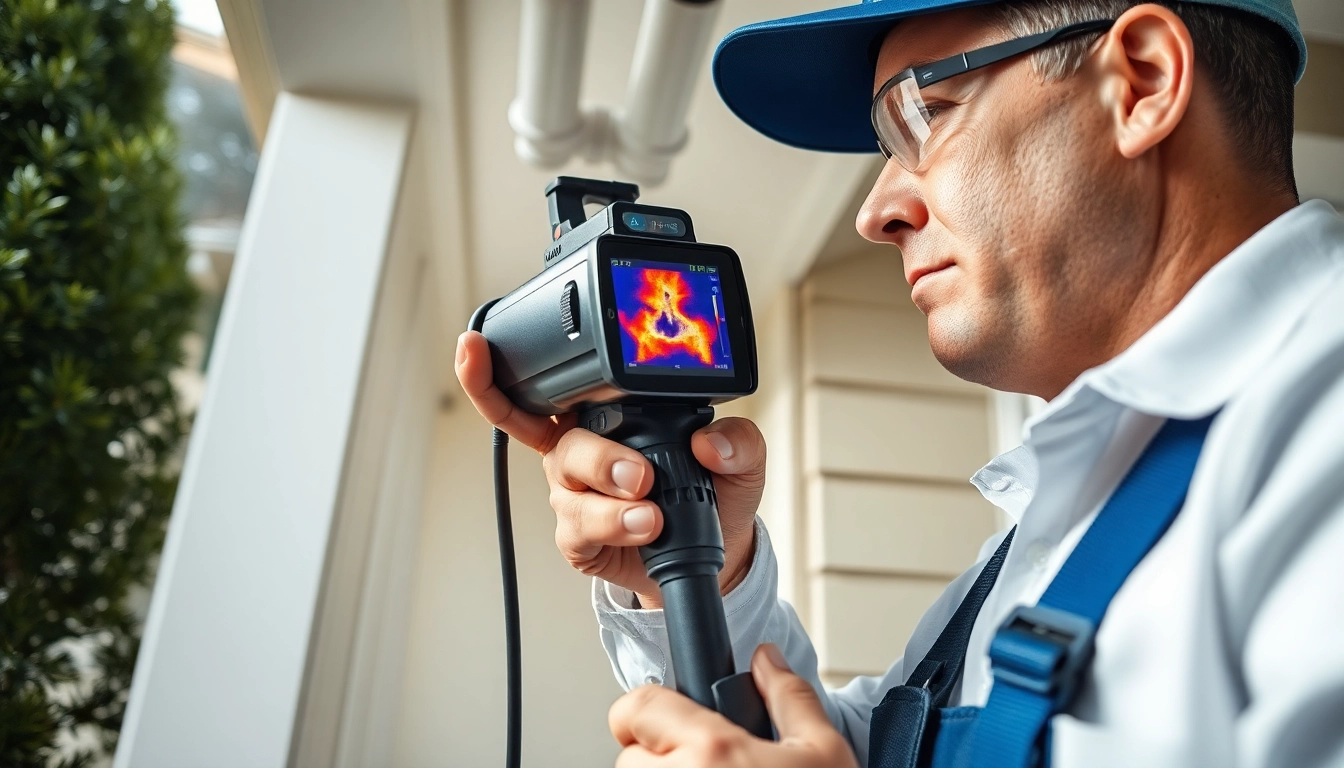

Understanding Spray Foam Removal Near Worthing
Spray foam insulation has become a popular choice for homeowners seeking energy efficiency in their properties. However, as beneficial as it can be when installed correctly, there are circumstances where spray foam removal near Worthing becomes necessary. This guide delves into the intricacies of spray foam insulation, reasons for its removal, signs indicating the need for removal, and the overall process involved.
What is Spray Foam Insulation?
Spray foam insulation consists of two primary components: isocyanate and polyol resin. When mixed and sprayed onto surfaces, they expand and create a solid barrier that seals air leaks, reduces sound transmission, and provides thermal insulation. Its versatility allows it to fit various spaces, making it a favorite for attics, walls, and crawl spaces.
Why Spray Foam Needs to Be Removed
Despite its advantages, there are several instances where spray foam insulation needs to be removed. Some of the primary reasons include:
- Improper Installation: If spray foam is not applied correctly, it can lead to air leaks, moisture issues, and overall inefficiency.
- Degradation Over Time: Exposure to UV light or extreme temperatures can cause the foam to break down and lose effectiveness.
- Health Concerns: Off-gassing of harmful chemicals or an allergic reaction to the materials can pose risks to inhabitants.
- Renovation Needs: Major renovations often necessitate the removal of insulation for optimal construction and aesthetic purposes.
Signs Your Home Requires Spray Foam Removal
Identifying when spray foam insulation needs to be removed can save you money and health risks. Watch for the following signs:
- Visible Damage: Cracks, discoloration, or peeling foam indicate something is wrong.
- Odors: Unpleasant chemical smells in your home might suggest off-gassing from the foam.
- Mold Growth: If you spot mold on or around the sprayed foam, it may have trapped moisture.
- Increased Energy Bills: Raising utility costs could be a sign that your insulation is no longer effective.
Steps to Prepare for Spray Foam Removal
Assessing Your Home’s Insulation Needs
Before you proceed with the removal, it’s vital to assess your home’s overall insulation needs. A thorough inspection can help determine the extent of the insulation problem. Consider factors such as energy efficiency, air quality, and current insulation performance. Consulting with a qualified specialist can provide insights tailored to your home’s unique requirements.
Choosing the Right Professionals
Selecting the right experts for spray foam removal is crucial for a safe and thorough process. Look for contractors with:
- Experience and Certification: They should have proven experience and relevant certifications in insulation removal.
- Positive Reviews: Client testimonials and ratings can offer insights into their reliability and quality of service.
- Safety Procedures: Ensure they follow established safety protocols and use proper gear during insulation removal.
Preparing Your Space for the Process
Once you’ve selected a professional, preparation is key. Here are some steps you might take:
- Clear the Area: Remove any furniture, décor, or items around the area requiring removal.
- Seal Off the Space: Ensure the area is segregated from the main living spaces to minimize dust and chemical exposure.
- Inform Family Members: Make sure everyone is aware of the process, especially if young children or pets are present.
The Spray Foam Removal Process Explained
Initial Inspection and Assessment
The removal process begins with a comprehensive inspection. The contractor will assess the condition of the spray foam, identify any underlying issues, and provide an estimated timeline and cost for the removal. This step also includes determining if any additional remediation is necessary.
Equipment and Techniques Used
Different techniques and equipment are used during spray foam removal. Common approaches include:
- Mechanical Removal: Heavy-duty tools are employed to grind away the foam.
- Chemical Solutions: Sometimes, solvents can be used to break down the material for easier removal.
- Vacuum Systems: Specialized vacuum systems ensure that debris and contaminants are properly contained and disposed of.
Post-Removal Cleanup Strategies
Once the foam is removed, thorough cleaning is necessary to ensure no residues are left behind. Cleanup typically involves:
- Air Filtration: High-efficiency particulate air (HEPA) filters are often used to catch airborne particles.
- Surface Cleaning: All surfaces must be cleaned using appropriate methods to ensure no chemical residues linger.
- Assessment of New Insulation Options: It’s advisable to consult with your contractor about suitable replacements for optimal insulation efficiency.
Aftercare and Maintenance Post Removal
Inspecting for Residual Foam
After the removal, conduct a thorough inspection to ensure all foam has been extracted. This is crucial, as leftover pieces can lead to issues down the line. You may want to engage a professional inspector to ensure a comprehensive evaluation.
Choosing New Insulation Solutions
Once removal is complete, it’s essential to consider new insulation that fits your home’s needs. Options include traditional fiberglass insulation, cellulose, or newer advanced foam options. A qualified contractor can evaluate the benefits and drawbacks of each solution based on your building’s architecture and insulation requirements.
Regular Maintenance Tips
To maintain the quality of your new insulation, consider these best practices:
- Regular Inspections: Schedule periodic inspections of your insulation to identify potential problems early.
- Monitor Humidity Levels: Maintaining proper humidity levels can prevent mold growth and safeguard insulation integrity.
- Ensure Proper Ventilation: Adequate ventilation helps to manage moisture and airborne chemicals, thus enhancing air quality.
Frequently Asked Questions about Spray Foam Removal Near Worthing
How long does the removal process take?
Typically, spray foam removal can take anywhere from a few hours to a full day, depending on the size of the area and the amount of foam being removed.
Is spray foam removal safe for my home?
Yes, professional spray foam removal is safe as technicians follow strict safety protocols and use specialized equipment to minimize any risk.
Will I need to vacate my home during the removal?
It’s usually advisable to vacate during the removal process to avoid exposure to dust and chemicals used in the procedure.
What are the costs associated with spray foam removal?
Costs can vary based on the size of the job, but homeowners can expect to pay from a few hundred to several thousand pounds depending on the complexity.
How can I ensure quality after removal?
After removal, consider hiring a qualified insulation contractor to assess your space and suggest effective new insulation options for optimal results.