Home security has evolved rapidly over the past few years, and today’s homeowners have more powerful tools than ever to protect what matters most. From motion-activated alerts to advanced AI detection, the Best Home Security Cameras offer a blend of reliability, performance, and ease of use that makes securing your property more accessible than at any other time in history. Whether you are looking to monitor your front door, your backyard, or the interior of your home, understanding the landscape of modern home surveillance technology ensures you can make an informed decision backed by expert knowledge. At Deep Dive Picks, we specialize in delivering research-based reviews and insights, and this comprehensive guide explores everything you need to know to select the Best Home Security Cameras for both indoor and outdoor use.
Choosing the right camera can be overwhelming due to the wide range of features, brands, and price points available. As more homes adopt smart ecosystems, homeowners increasingly seek devices that integrate seamlessly into their daily lives. This shift has influenced manufacturers to produce cameras that not only record but also analyze, communicate, and automate. The Best Home Security Cameras today are no longer just simple visual monitors; they are integral components of a smart home security network capable of sending real-time notifications, distinguishing between people and objects, and even activating automated routines. This guide breaks down every major factor you should consider, ensuring you select a camera that aligns with your security expectations and long-term needs.
Indoor and outdoor cameras serve different purposes, and the Best Home Security Cameras for each environment must excel in areas like image clarity, durability, motion precision, connectivity stability, and night vision reliability. Understanding what separates a high-performing indoor model from a dependable outdoor camera will help you avoid common mistakes, such as buying a camera that fails in extreme weather or one that does not integrate with your existing smart home system. With years of device analysis and product evaluation behind us, Deep Dive Picks offers a deep, unbiased, and practical look into the top-performing options shaping the home security market today.
- Understanding the Role of Indoor Security Cameras
- Why Outdoor Security Cameras Require More Durability and Power
- Essential Features to Look for in the Best Home Security Cameras
- Storage Options and How They Impact Your Security
- The Importance of Smart Alerts and Real-Time Notifications
- Installation and Setup Considerations
- Smart Home Integration and Ecosystem Compatibility
- Performance Testing and Real-World Reliability
- Privacy and Security Considerations
- Frequently Asked Questions
Understanding the Role of Indoor Security Cameras
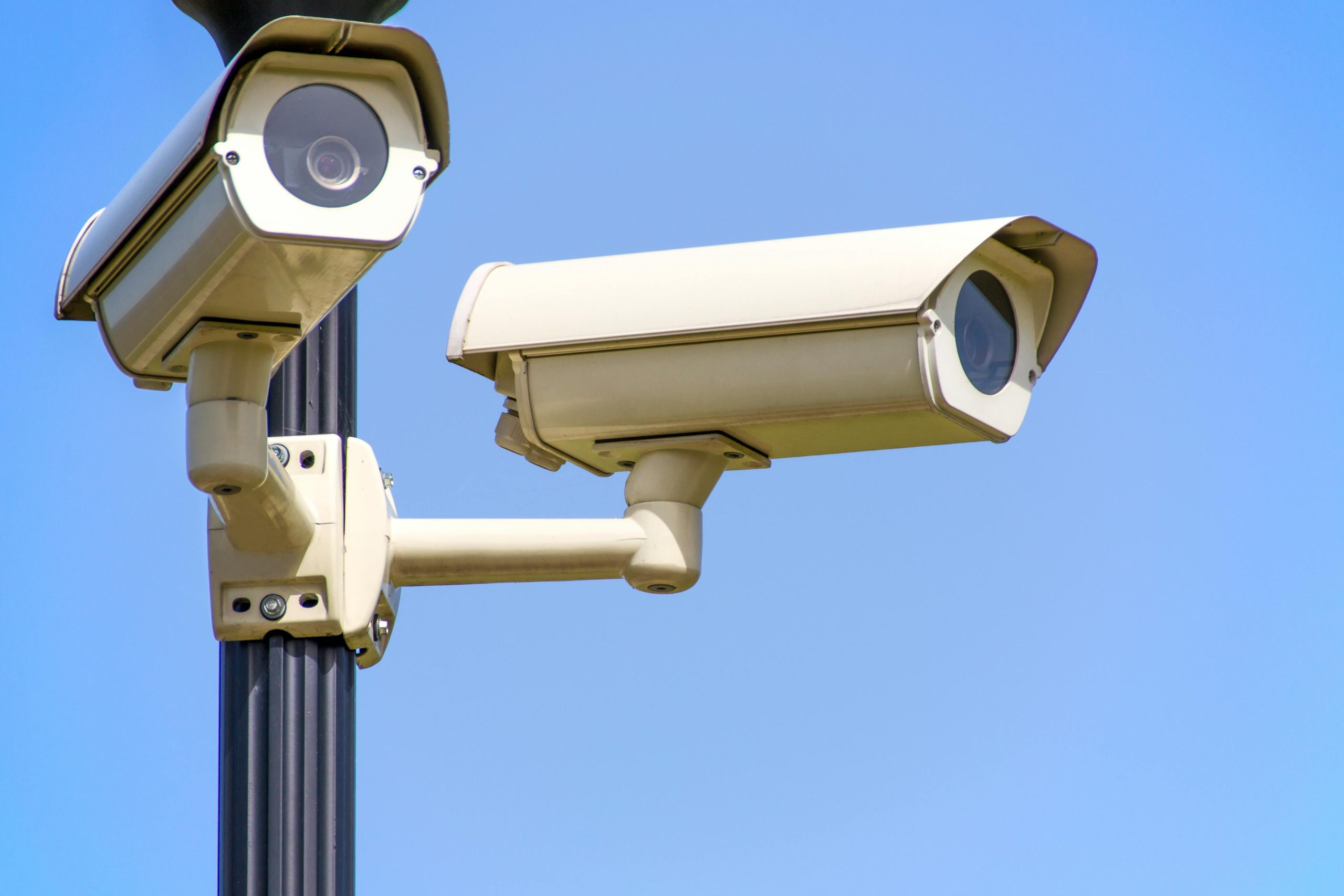
Indoor cameras are designed to protect what happens inside your home, offering a reliable view of entryways, living spaces, hallways, and any area where surveillance could deter unauthorized access. Many of the Best Home Security Cameras come equipped with wide-angle lenses to capture large areas without the need for multiple units. Their compact size and discreet designs make them easy to position on shelves, counters, or walls without disrupting your décor or drawing unnecessary attention. Indoor cameras also benefit from stable indoor temperatures and controlled lighting, allowing manufacturers to optimize them for performance without needing heavy weatherproofing.
Modern indoor units in the Best Home Security Cameras category rely heavily on artificial intelligence. AI-driven features include person detection, pet tracking, facial recognition, and sound-triggered alerts triggered by noises such as breaking glass or unexpected movement. These enhancements significantly reduce false alarms and help homeowners monitor their space with accuracy. In addition, many indoor models incorporate two-way audio, enabling you to check in on family members, speak to pets, or communicate with intruders in real time. The sophistication of these systems makes them highly effective for round-the-clock monitoring.
Data privacy remains a crucial factor when selecting indoor models. Cloud storage, local storage options, encryption quality, and secure connectivity protocols determine how safely your footage is protected. The Best Home Security Cameras offer advanced privacy controls, including automatic shutter covers, customizable recording zones, encrypted streaming, and multi-factor authentication. These measures ensure your indoor footage remains confidential while still providing the convenience of remote monitoring.
Why Outdoor Security Cameras Require More Durability and Power
Outdoor environments present challenges that indoor setups do not face, which is why the Best Home Security Cameras built for exterior use require additional durability. Outdoor units must withstand rain, snow, heat, wind, and fluctuating lighting conditions. Weatherproofing ratings such as IP65, IP66, and IP67 are critical indicators of how well a unit can survive harsh weather. Additionally, outdoor cameras often require stronger night vision capabilities because environments outside the home have uneven lighting, shadows, and larger areas to cover. Superior IR sensors, spotlight features, and low-light technology play a vital role in delivering clear footage even in complete darkness.
Outdoor cameras also require enhanced motion detection precision. The Best Home Security Cameras use AI-powered motion sensors to differentiate between humans, vehicles, animals, and moving foliage. This reduces false alerts and ensures that homeowners receive notifications only when meaningful activity occurs. Because most outdoor events are unpredictable, rapid alert delivery and reliable cloud connectivity are essential. Leading models include customizable motion zones, activity lines, and smart scheduling that adapts to your daily routines.
Power options further differentiate outdoor cameras. While some units run on rechargeable batteries, others rely on wired power or solar panels. The Best Home Security Cameras offer long battery life or efficient power management features, ensuring continuous operation without frequent downtime. Outdoor systems also typically include sirens, floodlights, or audible alarms, adding another layer of deterrence and expanding their role beyond pure surveillance.
Essential Features to Look for in the Best Home Security Cameras
Understanding what defines the Best Home Security Cameras requires analyzing specific features that significantly impact their performance. High-resolution video, ideally 2K or 4K, ensures you capture important details like faces, license plates, and clothing. Advanced HDR processing allows for clear images in difficult lighting situations where bright areas and dark shadows coexist. Clarity remains a defining criterion for security relevance, especially for identifying intruders or resolving incidents with precision.
Motion detection technology forms the backbone of reliable surveillance. The Best Home Security Cameras integrate smart detection algorithms capable of recognizing patterns and reducing false alarms caused by wind or passing animals. AI-based detection allows the camera to notify you specifically when a person approaches your home, when a package is dropped off, or when a vehicle enters your driveway. This targeted accuracy provides peace of mind without overwhelming you with unnecessary alerts.
Night vision technology is another non-negotiable component for both indoor and outdoor cameras. Low-light image enhancement, infrared LEDs, and color night vision capabilities help the Best Home Security Cameras capture critical scenes even when ambient lighting is nearly nonexistent. The camera’s ability to adapt to nighttime conditions often determines its real-world usefulness, especially in outdoor environments where most suspicious activity tends to occur.
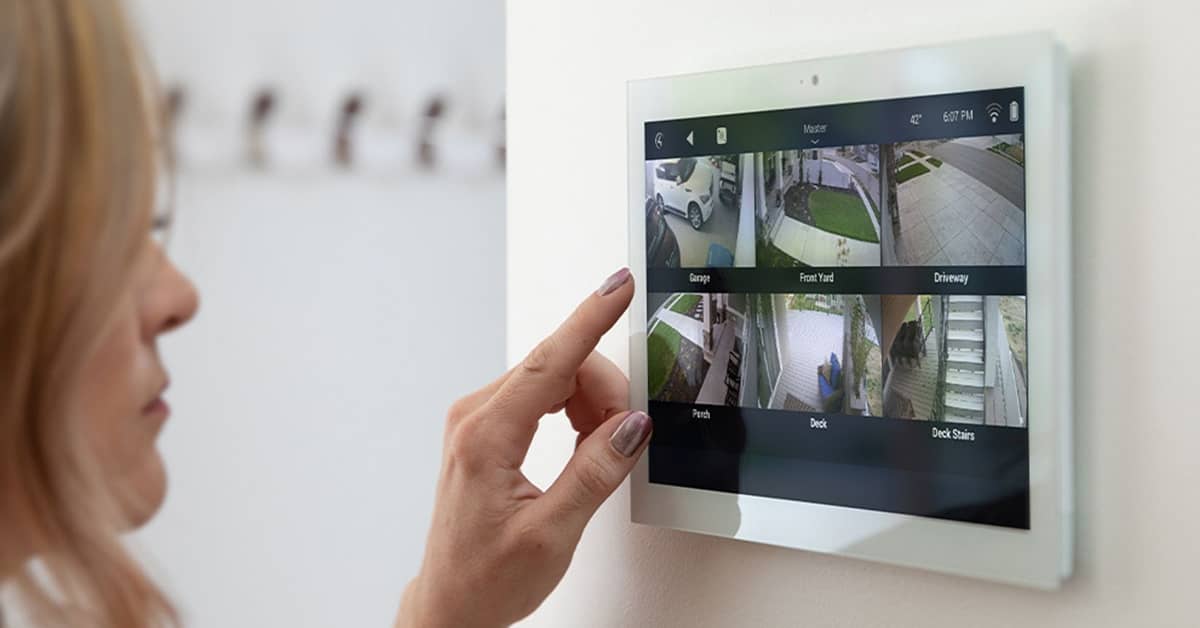
Connectivity and smart home integration determine how smoothly your camera interacts with other devices. The Best Home Security Cameras work flawlessly with platforms like Amazon Alexa, Google Home, Apple HomeKit, and smart security systems. Integrations allow automated routines such as turning on lights when motion is detected, locking doors, or triggering alarms. A camera’s Wi-Fi performance, especially dual-band support, ensures stable video streaming and rapid alert delivery. Continuous connectivity is essential for preserving the integrity of your security system.
Storage Options and How They Impact Your Security
Storage is one of the most important considerations when evaluating the Best Home Security Cameras, as it determines how long you can access saved footage and how securely your recordings are preserved. Cloud storage is the most common solution, offering remote access, secure backups, and long-term archiving. While many cloud plans require monthly subscriptions, they come with advantages such as multi-day history, secure encryption, and account-wide syncing across devices.
Local storage options, such as microSD cards or network-attached storage systems, provide privacy-focused users with complete control over their footage. The Best Home Security Cameras that offer both cloud and local storage deliver the flexibility to choose what fits your budget and privacy preferences. Hybrid models allow recording to local storage while also backing up important events to the cloud. This dual approach ensures your footage remains accessible even if your Wi-Fi network goes down.
A camera’s compression technology also plays a role in storage efficiency. Modern codecs like H.265 help the Best Home Security Cameras store high-resolution footage without consuming excessive space or bandwidth. The ability to adjust recording quality, set activity-based recording, or schedule continuous monitoring further optimizes storage performance and ensures you capture the most relevant footage without wasting space.
The Importance of Smart Alerts and Real-Time Notifications
Timely alerts are what make security cameras valuable in everyday life. The Best Home Security Cameras deliver real-time notifications to your smartphone, allowing you to respond instantly to unusual activity. The speed and reliability of these alerts depend on the camera’s sensors, processing power, and Wi-Fi performance. Cameras that take too long to alert you diminish their usefulness during time-sensitive incidents.
AI-enhanced alerts allow the Best Home Security Cameras to notify you only when specific events occur. For example, if your camera can differentiate between a delivery driver and a stray animal, you avoid unnecessary disturbances. Facial recognition goes a step further by identifying familiar people, reducing unnecessary notifications when household members move around. Smart alerts should also be customizable, allowing you to set time-based rules, silence periods, and specific areas within the camera’s field of view where motion is monitored.
Sound detection is another crucial factor. The Best Home Security Cameras can notify you when they hear glass breaking, loud impacts, or suspicious noises. Two-way audio adds another interactive element by letting you speak directly through the camera, which can deter intruders or allow you to give instructions to visitors. These interactive features transform your camera from a passive observer into an active part of your home security strategy.
Installation and Setup Considerations
Ease of installation plays a major role in determining whether a camera becomes a long-term asset or a short-lived frustration. The Best Home Security Cameras offer straightforward installation instructions, simple mounting systems, and intuitive mobile apps. Wireless models are especially convenient for renters or homeowners who do not want to drill holes or route cables. Battery-powered units allow flexible placement but require occasional recharging.
Wired cameras offer unmatched reliability but require more effort during installation. They avoid the inconvenience of battery maintenance and often support continuous power for advanced features like 24/7 recording. The Best Home Security Cameras include weather-sealed cables for outdoor installations, ensuring that connections remain protected from rain and debris. Regardless of the model, it is essential that the camera you choose offers clear setup guidance, responsive customer support, and a stable app experience.
Placement is another key component. Cameras must be positioned at the correct height and angle to capture meaningful footage. The Best Home Security Cameras come with adjustable mounts and flexible rotation mechanisms, allowing you to fine-tune the viewing angle. Indoor cameras perform best when placed above eye level to capture entire rooms, while outdoor units should cover entry points, driveways, and high-traffic areas on your property.
Smart Home Integration and Ecosystem Compatibility
More homeowners are adopting smart ecosystems, making compatibility a deciding factor in choosing the Best Home Security Cameras. A well-integrated camera enhances convenience by working seamlessly with your existing devices. Cameras compatible with Google Assistant can display live streams on smart displays. Amazon Alexa integrations allow voice control, while Apple HomeKit enhances privacy with encrypted video streaming.
Multi-device connectivity allows the Best Home Security Cameras to trigger automation routines through platforms like IFTTT or proprietary smart home apps. For example, if your camera detects motion in your backyard, it can automatically turn on outdoor lights, activate alarms, or send alerts to multiple family members. The future of home security lies in integrated systems, and choosing a camera that fits your ecosystem ensures longevity and compatibility.
Smart doorbells, locks, sensors, and alarm systems all play a role in this ecosystem. The Best Home Security Cameras often come from brands that offer whole-home platforms, enabling centralized control and streamlined management. This integration reduces app clutter, simplifies user experience, and enhances security consistency across your home.
Performance Testing and Real-World Reliability
The performance of the Best Home Security Cameras cannot be evaluated solely through manufacturer claims. Real-world testing reveals how well a camera handles varying lighting conditions, unpredictable weather, inconsistent Wi-Fi networks, and ongoing motion. Latency, buffering, and connectivity issues are common problems that only rigorous testing can uncover.
Security cameras must maintain reliable performance across different hours of the day. The Best Home Security Cameras handle transitions between bright daylight and dim evening lighting without losing clarity. They also adapt to sudden environmental changes, such as headlights shining into the lens or rapid temperature fluctuations. Reliability determines whether your camera protects your home effectively or becomes an unreliable gadget.
Battery life testing is crucial for wireless models. The Best Home Security Cameras are designed to deliver months of standby time, but heavy usage, frequent motion, and cold temperatures can reduce this significantly. Real-world tests determine whether a camera lives up to its claims, allowing homeowners to understand maintenance expectations before committing to a long-term purchase.
Privacy and Security Considerations
With connected devices becoming more common, data security remains a top concern for homeowners. The Best Home Security Cameras include advanced encryption technologies that secure your video feeds and prevent unauthorized access. Features like two-factor authentication ensure that even if someone obtains your login credentials, they cannot access your account without additional verification.
Cameras that support local storage provide an added layer of privacy. The Best Home Security Cameras with built-in privacy shutters or software-based masking allow you to disable recording in sensitive areas. Transparent privacy policies, secure app infrastructure, and reliable manufacturer updates also determine the long-term safety of your device. Choosing a reputable brand reduces the risk of vulnerabilities and ensures your data remains protected.
Conclusion
Selecting the Best Home Security Cameras for indoor and outdoor use requires a deep understanding of performance, features, reliability, and long-term value. With advancements in AI detection, connectivity, smart integrations, and night vision, modern security cameras offer far more than simple recording—they provide an intelligent layer of protection that adapts to your lifestyle and your home’s unique needs. Indoor cameras deliver precision and convenience, while outdoor units offer durability and advanced surveillance in challenging environments. By focusing on storage options, installation ease, privacy protections, and real-world reliability, you can confidently choose a camera that supports a safer, more secure home.
At Deep Dive Picks, our mission is to empower you with expert-backed insights and detailed evaluations that simplify your decision-making process. The Best Home Security Cameras are those that offer a balance of innovation, reliability, and user-friendly functionality—ultimately ensuring that your home stays protected around the clock.
FAQs
Frequently Asked Questions
What features matter most when choosing the Best Home Security Cameras?
The most important features when selecting the Best Home Security Cameras include high-resolution video quality, AI-powered motion detection, reliable night vision, secure storage, durable build quality for outdoor use, and consistent connectivity. Smart home integration and quick alert notifications also play major roles in determining real-world effectiveness.
Are indoor and outdoor security cameras different in design and performance?
Indoor and outdoor models differ significantly, as the Best Home Security Cameras designed for outdoor use must withstand weather, temperature extremes, and variable lighting conditions. Indoor cameras focus on compact design, AI features, and privacy controls, while outdoor versions emphasize durability, visibility range, and smart motion detection.
Do home security cameras require a subscription?
Not all of the Best Home Security Cameras require a subscription, but many offer enhanced features through paid plans, such as extended cloud storage, advanced AI detection, or multi-device video history. Cameras with local storage provide subscription-free alternatives for users who prefer private and cost-effective options.
How important is night vision in home security cameras?
Night vision is essential because much suspicious activity occurs in low-light conditions. The Best Home Security Cameras include infrared technology, low-light sensors, or color night vision to ensure clear visibility after dark. High-quality night vision ensures greater accuracy in identifying events or intruders.
Can home security cameras work without Wi-Fi?
Most of the Best Home Security Cameras rely on Wi-Fi for real-time notifications and remote access. Some cameras record locally without Wi-Fi, but you cannot receive alerts or view footage remotely. Systems that include local storage may still offer limited functionality during internet downtime.