Understanding Computer Recycling Newbury
As technology continues to advance at a rapid pace, many individuals and businesses in Newbury are faced with the challenge of disposing of outdated computers responsibly. This is where computer recycling newbury comes into play, providing a sustainable solution for electronic waste. This article will delve into the various aspects of computer recycling, emphasizing its significance, benefits, and practical steps to adhere to the regulations and contribute to the environment.
What is Computer Recycling?
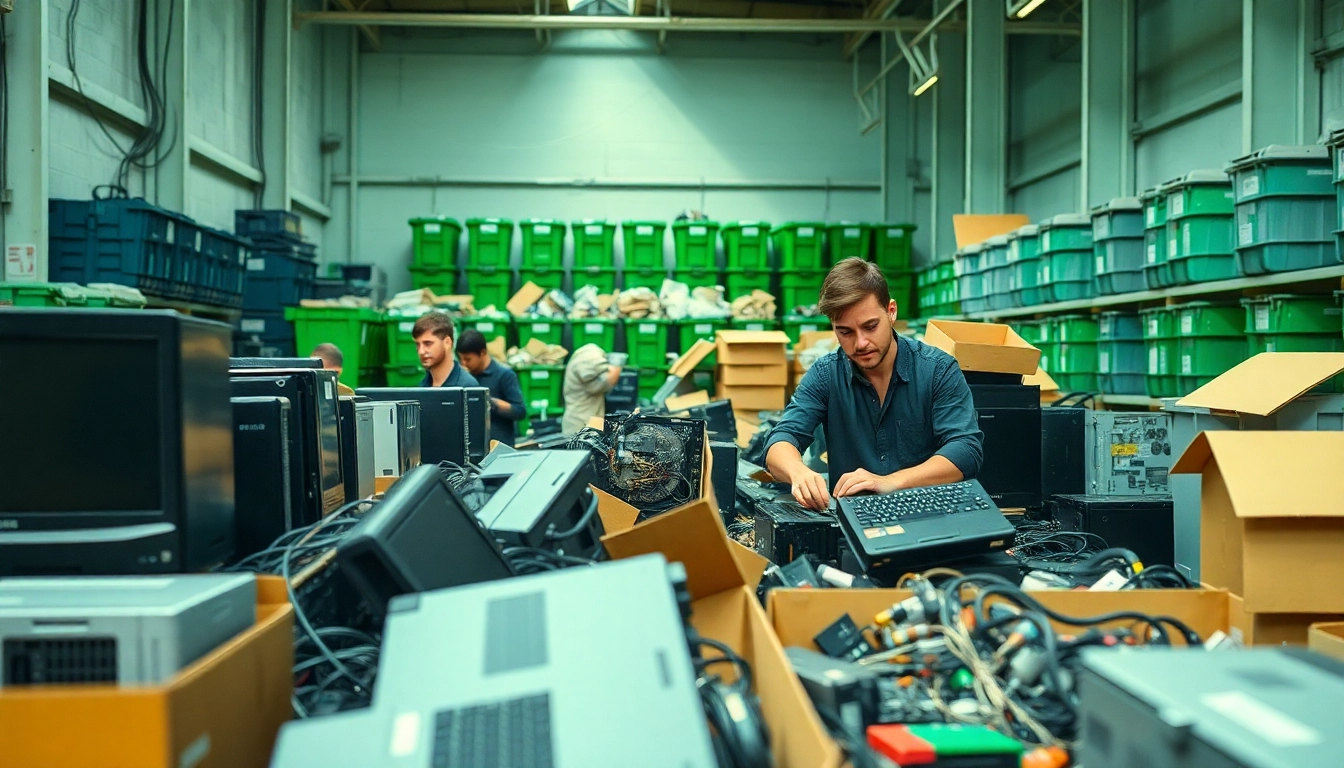
Computer recycling is the process of disassembling and reprocessing old, obsolete, or unwanted computers and their components. Rather than simply discarding these items, recycling enables valuable materials like metals, plastics, and glass to be recovered and reused. This process not only conserves resources but also minimizes the environmental impact associated with electronic waste.
Importance of Recycling Computers
The significance of recycling computers cannot be overstated. With millions of computers reaching the end of their functional life annually, recycling ensures that harmful substances such as lead, mercury, and cadmium do not leak into landfills. Moreover, recycling helps recover precious materials that can be reintroduced into the production cycle, thus reducing the need for new raw materials.
Local Regulations on E-Waste
In Newbury, as in many places, there are stringent regulations regarding electronic waste, aiming to promote responsible disposal practices. These regulations often dictate how e-waste should be processed and outline the responsibilities of manufacturers, retailers, and consumers. Understanding and complying with these laws is essential for both individuals and businesses engaged in computer recycling.
Benefits of Computer Recycling Newbury
Environmental Impact
The environmental impact of recycling computers is multifaceted. By diverting e-waste from landfills, we prevent toxic substances from contaminating soil and water supplies. Furthermore, recycling reduces the energy consumption associated with manufacturing new products, leading to a smaller carbon footprint. For instance, recycling one million laptops can save enough energy to power over 3,500 homes for a year.
Data Security in Recycling
Beyond environmental benefits, data security is a critical concern for individuals and businesses alike. Proper computer recycling ensures that sensitive data is destroyed before devices are disposed of. Reputable recycling facilities implement stringent protocols for data security, safeguarding personal and corporate information from potential theft or misuse.
Economic Advantages
Computer recycling offers notable economic advantages as well. By recycling, businesses can reduce waste disposal costs and recover materials that can be sold or reused. Additionally, the recycling industry is a job creator, providing positions in collection, processing, and sales. Investing in local recycling initiatives fosters economic growth and sustainability.
How to Recycle Your Old Computer
Assessing Your Computer for Recycling
Before recycling, it is vital to assess the computer’s condition. Determine whether the device is fully functional or if it contains damaged components. Functional systems may be eligible for donation or resale, while non-functional parts should be prepared for recycling. Knowing the state of your computer will guide you in deciding the appropriate recycling method.
Finding Local Recycling Facilities
Identifying local computer recycling facilities is crucial for responsible disposal. Many communities offer designated drop-off centers or collection events specifically for electronic waste. Research available options in Newbury and check for accredited facilities that adhere to environmental regulations to ensure responsible recycling practices.
Preparing Your Computer for Pickup
Prior to pickup, take the necessary steps to prepare your computer. This includes backing up essential data, performing a factory reset if applicable, and physically removing any personal data storage devices like hard drives. Proper preparation ensures your data remains protected throughout the recycling process.
Challenges in Computer Recycling Newbury
Common Misconceptions About E-Waste
Despite growing awareness, several misconceptions surrounding e-waste persist. One common myth is that all electronic devices can simply be thrown away like regular trash. However, improper disposal can lead to environmental hazards and legal repercussions. Educating the public about the true nature of e-waste is crucial for promoting responsible recycling.
Handling Hazardous Materials
Some components of electronic devices contain hazardous materials that require special handling during recycling. For example, cathode ray tubes (CRTs) from old monitors contain lead, which poses health risks if not managed correctly. Recycling facilities are equipped to handle these materials safely, but it is essential for individuals to ensure they are using certified recycling services.
Maximizing Recycling Efficiency
To maximize recycling efficiency, individuals and organizations can adopt best practices such as consolidating electronic waste and participating in community recycling programs. Additionally, encouraging responsible purchasing habits, like choosing more recyclable products, can significantly enhance overall recycling efforts.
Future of Computer Recycling Newbury
Innovations in Recycling Technology
As the demand for sustainable practices grows, innovations in recycling technology continue to evolve. Advanced techniques such as hydrometallurgical methods can recover precious metals more efficiently, reducing the need for traditional mining. Staying informed about new technologies is essential for both recyclers and consumers committed to environmental sustainability.
Community Involvement Opportunities
Communities in Newbury are increasingly encouraged to engage in recycling initiatives. Local governments often organize events and awareness campaigns to promote responsible e-waste disposal. Participation in these initiatives not only fosters community spirit but also enhances recycling rates and environmental consciousness among residents.
Educational Programs on E-Waste Awareness
Raising awareness about e-waste recycling through educational programs is essential for long-term sustainability. Schools, community centers, and local organizations can collaborate to host workshops and informational sessions that teach individuals about the importance and impact of computer recycling, ultimately fostering a culture of environmental stewardship.
Frequently Asked Questions
How do I safely dispose of my old computer?
Many options exist for disposing of old computers safely, including manufacturer take-back programs, certified recycling centers, and community e-waste collection events.
What is the correct way to dispose of old computers?
Old computers should not be thrown in the waste bin. Check with your retailer or local recycling facility for disposal options. Donating is also a viable option if the computer is functional.
Are there any benefits to recycling my old computer?
Yes, recycling your old computer helps conserve natural resources, minimizes environmental hazards from e-waste, and may even contribute to the economy through job creation.
What materials can be recovered from recycled computers?
Recycled computers can yield valuable materials like metals (copper, gold), plastics, and glass, all of which can be reused in manufacturing.
Can recycling computers help with data security?
Absolutely! Certified recycling facilities ensure data destruction, protecting your personal and sensitive information from potential misuse or theft.


