
Understanding Leak Detection: An Overview
Leak detection is a critical service in maintaining the integrity and safety of both residential and commercial properties. The process involves identifying leaks in various systems, such as plumbing and gas, to prevent potential damage and costly repairs. Effective leak detection not only saves money but also preserves the structural integrity of a building. For homeowners, understanding the significance and methods of leak detection can lead to timely interventions and repairs. When exploring options, leak detection services provide comprehensive insights into how to manage leaks effectively.
What is Leak Detection and Why is it Important?
Leak detection refers to the process of identifying leaks within any type of piping system, whether it be plumbing, gas, or heating. Recognizing these leaks early can prevent severe consequences, as water intrusion can lead to structural damage, mold growth, and increased utility bills. Gas leaks pose even greater risks, with the potential for explosions or health hazards. Thus, the importance of leak detection cannot be overstated; it is essential for ensuring the safety and functionality of a property.
Common Types of Leaks in Domestic Properties
- Water Leaks: These can occur in both hot and cold water supply pipes, which may be hidden behind walls or beneath floors.
- Heating System Leaks: Central heating systems, including radiators and underfloor heating, can develop leaks that are less visible but equally damaging.
- Gas Leaks: Often the most dangerous, gas leaks can occur anywhere in the gas supply system, requiring immediate attention.
The Consequences of Undetected Leaks
Leaving leaks undetected can result in a myriad of consequences. Water leaks can lead to dampness, which encourages mold growth — a significant health hazard. Additionally, the constant presence of water can weaken structural elements, leading to costly repairs. For gas leaks, the risks are even higher; minor leaks can lead to major explosions or carbon monoxide poisoning. Overall, the consequences of neglecting leak detection can be detrimental to both health and property value.
Advanced Technologies in Leak Detection
Innovative Equipment Used in Leak Detection
Modern leak detection relies on advanced technologies designed to accurately locate and diagnose leaks without invasive methods. Some of the key innovations include:
- Acoustic Listening Devices: These devices can detect the sounds of escaping water or gas through pipes, even when buried or hidden.
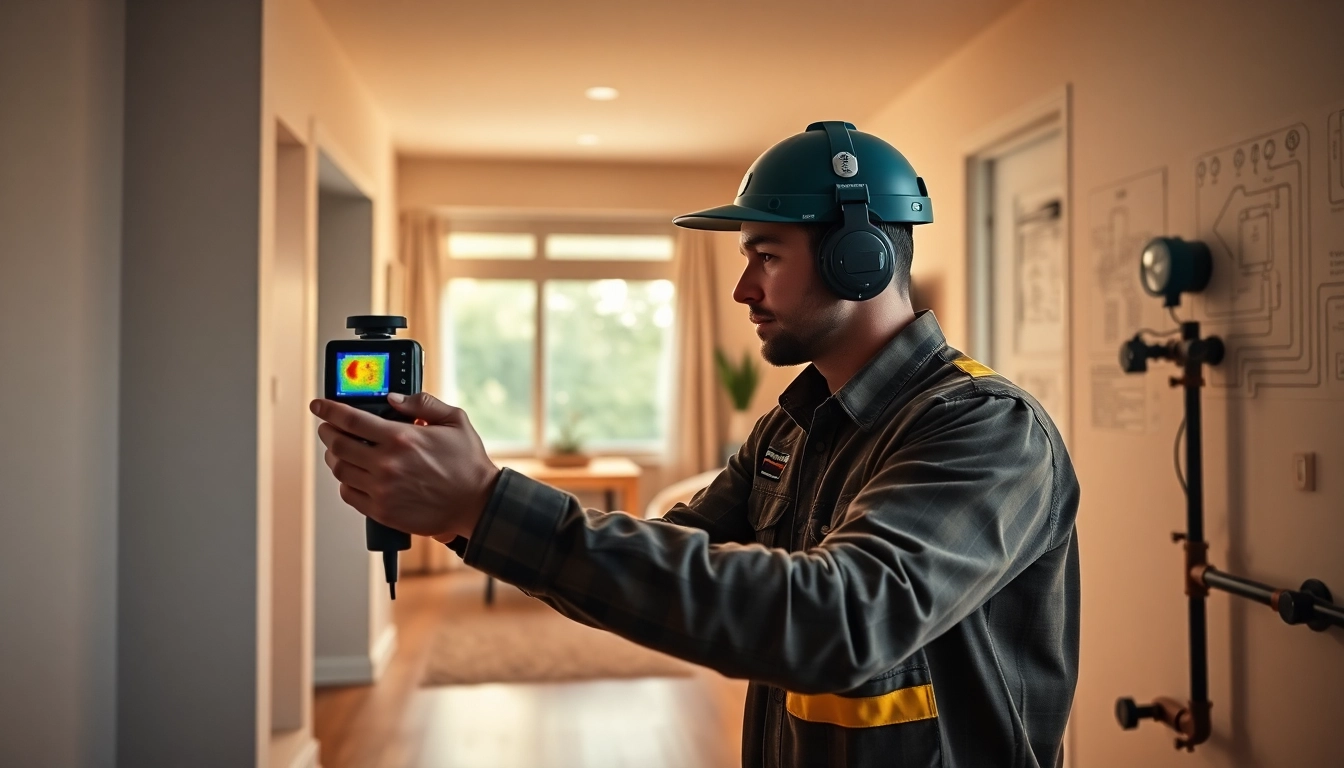
- Thermal Imaging Cameras: These cameras can visualize temperature variations and identify leaks based on thermal anomalies.
- Tracer Gas Detection: This method involves introducing a safe, odorless gas into the pipework, which is then traced to find the point of escape.
Comparing Non-Invasive vs. Traditional Methods
Traditional leak detection methods often involve significant invasive procedures, such as drilling holes into walls or floors. In contrast, non-invasive methods make use of advanced technology to locate leaks without causing damage. This approach not only saves time but also minimizes the need for repairs associated with invasive techniques. Homeowners can benefit from a thorough and efficient process that ensures their property remains intact.
The Role of Thermal Imaging in Leak Detection
Thermal imaging has revolutionized the way leaks are detected, allowing technicians to visualize temperature differences caused by leaks. For instance, a pipe that is leaking may cause the surrounding area to cool or heat differently than its surroundings. Thermal imaging cameras can quickly highlight these anomalies, allowing for faster and more accurate diagnostics.
Finding the Right Leak Detection Service
What to Look for in a Professional Leak Detection Company
When selecting a leak detection company, several factors should be considered to ensure that you are receiving quality service. Look for companies that employ certified technicians with experience in various types of leak detection. It’s also essential to verify that the company uses advanced technology and non-invasive methods to locate leaks efficiently.
Reading Customer Reviews and Testimonials
Customer reviews provide valuable insights into the quality and reliability of a leak detection service. Testimonials can highlight the effectiveness of the service, response times, and overall customer satisfaction. Make sure to prioritize companies with positive feedback from previous clients to ensure you choose a reputable provider.
Understanding Pricing: What Should You Expect?
The cost of leak detection can vary based on several factors, including the complexity of the leak and the methods used for detection. It’s essential to request estimates from multiple providers and understand the scope of their services before making a decision. A reputable company should provide transparent pricing and detailed service descriptions.
Common Questions About Leak Detection
How Much Does Leak Detection Cost?
Leak detection costs can range significantly based on the severity of the leak and the techniques employed. On average, homeowners can expect to pay between $150 and $600 for professional leak detection services. For more complicated issues, costs may be higher, especially if extensive diagnostics are required.
What Should I Do if I Suspect a Leak?
If you suspect a leak, the first step is to monitor your water meter for unusual increases in water usage, or check for damp patches on walls, floors, or ceilings. Once you identify a potential issue, it is advisable to contact a professional leak detection service promptly to prevent further damage.
Does Insurance Cover Leak Detection Services?
Most homeowners’ insurance policies cover leak detection services, provided you follow the necessary steps as required by your insurer. This typically involves reporting the leak promptly and ensuring that proper documentation is kept throughout the process.
Future Trends in Leak Detection
Emerging Technologies on the Horizon
The future of leak detection looks promising with the development of even more advanced technologies. For example, the integration of artificial intelligence and machine learning can enhance the accuracy of identifying leaks and predicting their impact. These technologies could lead to real-time monitoring systems that provide immediate alerts to homeowners.
Environmental Considerations in Leak Detection
As the world becomes more environmentally conscious, leak detection services are focusing on eco-friendly methods. Tracer gas detection, for instance, uses a non-toxic substance that does not harm the environment, aligning with green building practices. Reducing water waste through efficient leak detection processes also contributes to environmental sustainability.
Predictions for the Leak Detection Industry in 2025
By 2025, it’s anticipated that the leak detection industry will continue to evolve with greater emphasis on technology-driven solutions. Companies that adapt to these changes will likely lead the market, focusing on precision, efficiency, and customer satisfaction. Homeowners can expect even more reliable, cost-effective services aimed at protecting both their homes and the environment.