Overview of Everest Base Camp Trek
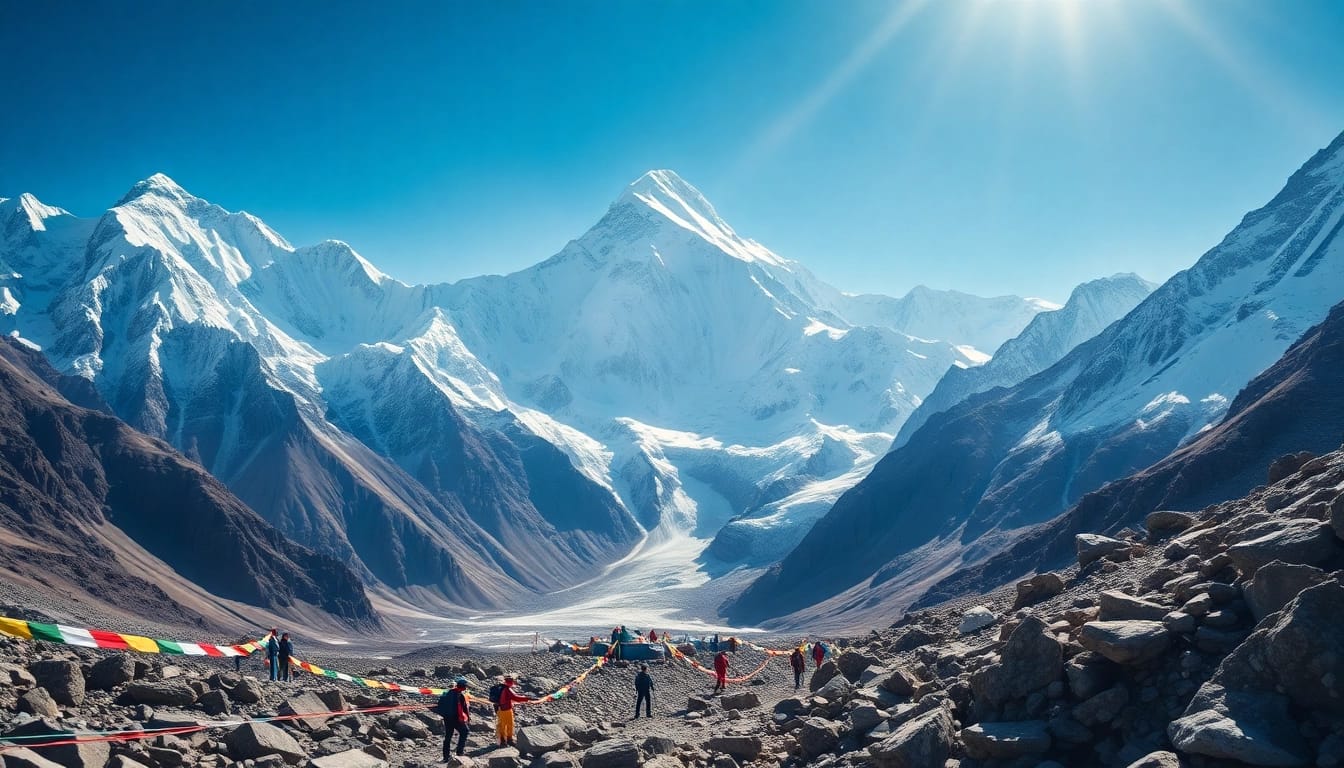
The Everest Base Camp Trek (EBC Trek) is a once-in-a-lifetime adventure that attracts trekkers from around the globe. Nestled in the heart of the Himalayas, this trek offers breathtaking views of some of the highest peaks on earth, including the majestic Mount Everest. Typically spanning over 14 days, the EBC Trek combines physical challenge with cultural immersion, providing an opportunity to experience the rich traditions of the Sherpa people while exploring one of the world’s most stunning landscapes. For those planning their trek, Everest base camp is the ideal starting point for your journey.
What to Expect on the Trek
Trekkers can expect a mixture of exhilarating challenges and awe-inspiring sights along the trail. The trek typically includes steep ascents, suspension bridges, and narrow paths that traverse through picturesque villages and lush forests. Accommodation is provided in local teahouses, which serve traditional Nepali meals, ensuring an authentic experience. Daily hikes range between 5 to 8 hours, depending on the itinerary, and acclimatization days are built in to help travelers adjust to the high altitudes.
The Significance of Everest Base Camp
Everest Base Camp serves as the starting point for climbers attempting to summit Mount Everest and is a significant location in the mountaineering community. At an altitude of 5,364 meters (17,598 feet), it is a hub of activity during the climbing season, with expedition teams preparing their gear and acclimatizing to the harsh conditions of the Himalayas. The camp itself is more than just a waypoint; it is a symbol of aspiration for adventurers and a place of camaraderie for climbers. The breathtaking views of the surrounding peaks make it a must-visit destination for all trekkers.
Essential Preparations Before the Trek
Preparation is key to a successful trek to Everest Base Camp. Participants should be in good physical condition and undergo proper training, which includes cardiovascular exercises, strength training, and long hikes to build stamina. Additionally, obtaining the necessary trekking permits, which include the Sagarmatha National Park permit and the TIMS (Trekking Information Management System) card, is essential for all trekkers. Equally important is a well-thought-out packing list, which should include suitable trekking gear, warm clothing, and essentials for high-altitude conditions.
Itinerary Breakdown: 14-Day Journey
Day-by-Day Trekking Guide
The journey to Everest Base Camp unfolds over 14 days, with an itinerary designed to balance trekking with acclimatization. The trek typically starts from Kathmandu, where trekkers enjoy a warm welcome and prepare for their adventure. Each day brings new experiences, from the bustling town of Namche Bazaar to the serene beauty of Dingboche, and finally to the iconic Everest Base Camp. The itinerary allows for gradual elevation gain, with resting periods that help mitigate the risks associated with high-altitude hiking.
Acclimatization Process Explained
Acclimatization is a crucial part of the EBC Trek. Given the extreme altitude, trekkers are encouraged to take rest days at strategic points along the trek, particularly in Namche Bazaar and Dingboche. During these acclimatization days, short hikes to nearby viewpoints ensure that trekkers adjust to the thinning atmosphere while enjoying breathtaking panoramas. Understanding signs of altitude sickness and knowing how to respond can greatly enhance the trekking experience.
Key Highlights and Attractions
The trek is filled with numerous highlights, including stunning viewpoints such as Kala Patthar, where trekkers can witness a phenomenal sunrise over Mount Everest. Cultural encounters with the Sherpa people, visits to ancient monasteries, and breathtaking views of enormous glaciers and towering peaks make the Everest Base Camp Trek a unique adventure. Each stage of the trek offers its own unique charm and beauty, ensuring that trekkers are constantly engaged and inspired by the majestic surroundings.
Cost Breakdown for Everest Base Camp Trek
Inclusions in the Trek Packages
The cost of the Everest Base Camp trek typically includes a range of essential services. Packages generally cover accommodations in tea houses, all meals during the trek, guide and porter fees, and necessary trekking permits. Additionally, trekkers are provided with logistical support, including transportation to and from Lukla. Understanding what is included in the package helps trekkers plan their finances wisely.
Additional Costs to Consider
While the trek package covers many essentials, trekkers should also budget for additional expenses. These can include personal snacks, drinks, hot showers, internet access, and tips for guides and porters. It's advisable to allocate approximately $15-20 per day for these incidental costs, ensuring a comfortable and enjoyable trekking experience without financial surprises.
Tips for Budgeting Your Trek
When budgeting for your Everest Base Camp trek, consider all potential costs. Creating a comprehensive list of expected expenses can help track spending and avoid impulsive purchases. Engaging with previous trekkers through forums or travel blogs can provide insights into realistic expenses and what to expect. It's beneficial to keep local currency on hand for small purchases, as many teahouses and local shops may not accept credit cards.
Health and Safety Measures
Altitude Sickness: Symptoms and Prevention
Understanding altitude sickness is critical for anyone embarking on the Everest Base Camp trek. Symptoms can range from mild headaches and nausea to severe conditions requiring immediate descent. Trekkers should learn to recognize early signs of altitude sickness and enforce strict limit on elevation gain during consecutive days. Staying hydrated and following a diet rich in carbohydrates can help mitigate symptoms.
Health Tips for Trekkers
Beyond altitude sickness awareness, maintaining overall health is essential during the trek. Proper nutrition, adequate hydration, and a reliable first aid kit are crucial components of health management. Trekkers should consider carrying personal medications and familiarize themselves with basic first aid procedures. Regular check-ins with guides about health and well-being during the trek can also be beneficial.
Emergency Protocols in the Mountains
In the event of emergencies during the trek, having a clear understanding of protocols can make a significant difference. Trekkers should prioritize safety by having contingency plans, including knowledge of evacuation routes and communication methods with guides. Carrying a portable altitude chamber or knowing its availability can provide peace of mind when trekking at high altitudes.
Planning Your Trip: Travel Logistics
Traveling to Nepal: Visa and Flight Information
Traveling to Nepal requires securing a visa prior to arrival or obtaining one upon landing at Tribhuvan International Airport in Kathmandu. Visitors should keep in mind that visa fees vary based on duration, and it’s recommended to have cash on hand for the visa payment. Flights are available from major international airports, with connecting flights to Lukla as a crucial part of the trek initiation.
Transportation to and from Lukla
Transportation logistics involve not only flights but also potential road travel to Manthali during peak trekking seasons. Understanding flight schedules and availability is crucial, as weather can affect travel plans. Trekkers should remain flexible and consider buffer days to accommodate any unexpected delays in transportation, particularly during peak seasons when flights may be redirected due to congestion.
Recommended Gear and Equipment for EBC Trek
Choosing the right gear is paramount for a successful trekking experience. Essential items include durable trekking boots, warm clothing in layers, and a reliable daypack. Along with personal items, if trekkers are uncertain about certain gear they can opt to rent high-quality equipment once in Kathmandu, which simplifies packing and ensures access to appropriate gear.